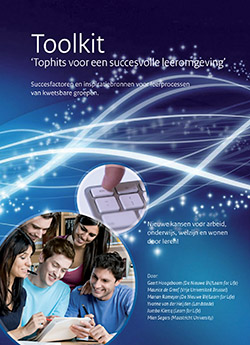
 Op 3 december 2015 hebben De Nieuwe BV en Learn for Life bij het ministerie van BZK de toolkit ‘Tophits voor een succesvolle leeromgeving’ aangeboden aan mevrouw Josien Kuiper als vertegenwoordiger van de Directie Woon- en Leefomgeving en gepresenteerd aan een gevarieerd gezelschap uit onderwijs, taalpunten, bibliotheken, werktoeleidingsbedrijven, welzijnswerk, ouderenwerk en gemeenten.
De toolkit is een handvat voor lokale professionals die in wijken en buurten werken met kwetsbare burgers om te bevorderen dat deze groep ook in staat is om actief deel te nemen aan de samenleving.
De overheid gaat ervan uit dat burgers steeds meer zelf moeten gaan doen. Het ministerie van BZK maakt zich sterk voor de doe-democratie en werkt samen met maatschappelijke partners om deze beweging mogelijk te maken. Veel burgers zijn tot deze beweging in staat en pakken deze taken op vrijwillige basis op. Er is echter ook een grote en groter wordende groep burgers die afhaakt. Oud-minister Winsemius signaleert dit in zijn rapport ‘Vertrouwen in burgers’ en geeft aan dat het van belang is om juist die kwetsbare groep erbij te halen en te houden.
De Nieuwe BV en Learn for Life leggen zich toe op empowerment van de groep kwetsbare burgers via non-formele educatie.
Om te bevorderen dat ook deze groep in staat is om deel te gaan nemen aan activiteiten in wijk, buurt of verenigingsleven hebben De Nieuwe BV en Learn for Life een toolkit ontwikkeld voor lokale professionals uit verschillende disciplines, die werkzaam zijn in wijken en buurten. Deze toolkit biedt hun instrumenten om burgers voor wie deelname aan het maatschappelijke leven niet vanzelfsprekend en gemakkelijk is, met succes te (re)activeren en ervoor te zorgen dat zij ook kunnen deelnemen aan de ‘participatiesamenleving’. Het ministerie van BZK heeft het financieel mogelijk gemaakt om de toolkit te ontwikkelen.
Met de totstandkoming van de toolkit ‘Tophits voor een succesvolle leeromgeving’ is er één centrale plek waar alle informatie voor de wijk- en buurtprofessionals verzameld is.
De toolkit is zowel op papier, alsook digitaal voor elke wijk- en buurtprofessional beschikbaar en zal actief landelijk worden verspreid, zodat zoveel mogelijk lokale en regionale instellingen zelf aan de slag kunnen gaan met de opgeleverde resultaten.
De toolkit bestaat uit:
- Competentieprofiel wijk – en buurtprofessionals
- Handleiding voor het opzetten van (leer)projecten voor kwetsbare burgers
- Checklist randvoorwaarden voor succes in de omgeving
- Een procesverslag met do’s and don’ts van de lokale en regionale pilots
- Inspiratiebronnen naar circa 10 – 25 good practices, vergelijkbaar met de lokale projecten
- Verwijzingen naar en overzicht van inspirerende literatuur, zoals ‘Vertrouwen in burgers’ als achtergrondinformatie om vergelijkbare trajecten te kunnen starten.
Download:
Toolkit Tophits voor een succesvolle leeromgeving

 After the success of its 2014 broad public consultation, the Lifelong Learning Platform launched its 2015 Erasmus+ implementation survey on the 3rd of July. The purpose of this year’s survey was to evaluate how beneficiaries experienced the 2nd round of applications of the Erasmus+ programme. The consultation was closed on the 15th of September after having received 275 answers.